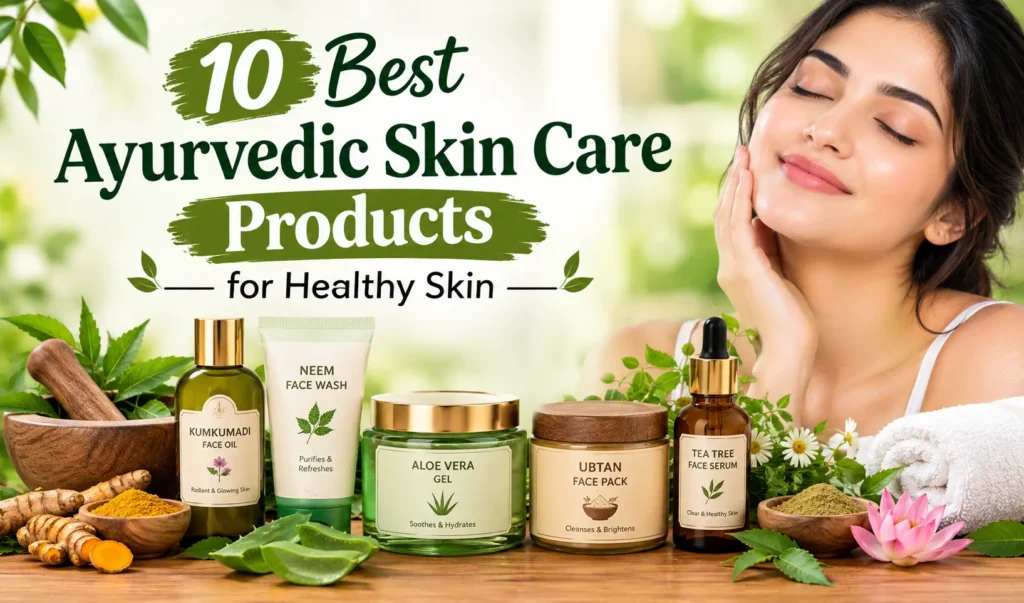
Ayurveda, India’s traditional system of medicine, has treated skin care as part of whole-body balance for thousands of years. Instead of chasing one quick fix, it looks at your skin type, diet, sleep and stress together. Today, that philosophy has become a thriving beauty category, with turmeric, neem, sandalwood and saffron appearing on shelves everywhere. But with so many options, which products are actually worth your money? This guide covers ten popular Ayurvedic skin care product types, what each does, who it suits and what to look for on the label.
Understanding Your Skin the Ayurvedic Way
Ayurveda describes three body types, or doshas, and each is linked to a skin tendency:
- Vata: dry, thin, prone to roughness and fine lines
- Pitta: sensitive, warm, prone to redness, acne and sun reactions
- Kapha: thick, oily, prone to clogged pores and dullness
This framework is traditional rather than clinically proven, but it is a handy way to match ingredients to needs. Dry skin generally prefers rich oils, oily skin prefers light cleansing herbs, and sensitive skin prefers cooling ingredients like sandalwood and rose.
1. Kumkumadi Tailam (Facial Oil)
Often called the signature Ayurvedic glow oil, kumkumadi tailam is a blend of saffron, sandalwood, licorice and other herbs in a base of sesame or similar oil. It is traditionally used at night to improve radiance and even out the look of pigmentation. Brands such as Kama Ayurveda and Kerala Ayurveda sell versions. Use two to three drops, press gently into clean skin and avoid it if you are very acne-prone, as heavy oils can feel too rich.
2. Neem Face Wash
Neem has a long history as a purifying herb thanks to its antibacterial and anti-inflammatory reputation. A neem-based cleanser, such as Himalaya’s Purifying Neem Face Wash, suits oily and combination skin, helping remove excess oil and daily grime. Look for a formula that is soap-free and does not leave your face tight, and limit use to twice daily so you do not strip the skin barrier.
3. Turmeric Skin Cream
Turmeric contains curcumin, a compound studied for its antioxidant and soothing properties. Creams such as Vicco Turmeric Skin Cream have been used for generations to calm minor blemishes and improve overall tone. Choose a lightweight cream for daytime use. Keep in mind that turmeric can leave a faint yellow tint, so blend it well and check how it looks in daylight.
4. Aloe Vera Gel
Aloe vera is a cooling, hydrating plant that suits nearly every skin type, especially pitta and sunburn-prone skin. A pure aloe gel can act as a lightweight moisturizer, an after-sun soother and a calming mask. Check that aloe is the first ingredient, with minimal added fragrance or alcohol. Aloe will not replace sunscreen, but it is a gentle staple for irritated skin.
5. Rose Water Toner
Rose water has been used in Indian and Middle Eastern beauty for centuries as a mild, refreshing toner. It hydrates, tones and leaves a soft fragrance. Brands like Forest Essentials and Khadi Natural offer rose-based mists and toners. Pick a product that lists distilled rose water (sometimes called gulab jal) and avoids synthetic perfume, which can irritate sensitive skin.
6. Sandalwood Face Pack
Sandalwood, or chandan, is prized for its cooling, calming quality, making it popular for tanned, heated or inflamed skin. A sandalwood face pack mixed with rose water can soften the skin and give a gentle glow. Make sure the product contains real sandalwood powder rather than only fragrance, since genuine sandalwood is expensive and adulteration is common.
7. Multani Mitti (Fuller’s Earth) Mask
Multani mitti is a mineral clay that absorbs oil and impurities, which is why it is a long-time favorite for oily and acne-prone skin. Mix the powder with rose water or plain water into a paste, apply for 10 to 15 minutes and rinse before it cracks. Dry-skinned people should use it sparingly, perhaps once every one or two weeks, or mix it with a little yogurt or aloe.
8. Manjistha-Based Products
Manjistha (Indian madder) is a root widely used in Ayurvedic formulas aimed at skin clarity and a more even complexion. You will find it in face creams, serums and herbal supplements. Topical products are the safer choice for most people. If you are considering oral supplements for skin concerns, speak with a qualified doctor first, because herbal capsules are not risk-free.
9. Sesame or Coconut Oil for Abhyanga
Abhyanga, the warm oil self-massage, is one of Ayurveda’s foundational skin and body rituals. Cold-pressed sesame oil is traditional for dry skin and cooler months, while coconut oil is lighter and often preferred in hot climates. Warm the oil slightly, massage the body before bathing and rinse with a mild cleanser. It improves softness and relaxation, but avoid applying heavy oil on acne-prone areas of the face and back.
10. Ubtan (Herbal Scrub Powder)
Ubtan is a traditional paste made from gram flour (besan), turmeric, sandalwood and other herbs, often used before weddings and festivals. It exfoliates gently, brightens and leaves skin smooth. Ready-made ubtan powders from brands like Kama Ayurveda and Jovees save preparation time. Mix with milk, yogurt or rosewater, massage lightly and avoid scrubbing hard on facial skin.
How to Choose a Genuine Ayurvedic Product
Because “Ayurvedic” is a marketing label as much as a tradition, read products carefully:
- Check the ingredient list. Herbs should appear near the top, not just in the product name.
- Look for transparency. Reputable brands list full ingredients, batch numbers and manufacturer details.
- Look for licensing. In India, Ayurvedic products are regulated under the AYUSH framework, and a valid manufacturing license number should appear on the pack.
- Be cautious of exaggerated claims. Promises like “cures acne in 3 days” or “permanent fairness” are red flags.
- Avoid unnecessary additives. Strong synthetic fragrance, harsh sulfates and high alcohol can undermine a “natural” product.
Brand names mentioned here are examples of widely available products, not endorsements, and formulations change, so always read the current label.
Safe Use Tips
“Natural” does not automatically mean safe. Plant ingredients can cause allergic reactions, and some traditional products have been found in testing to contain heavy metals when poorly manufactured. Follow these precautions:
- Patch test first. Apply a small amount on your inner forearm or behind your ear and wait 24 hours.
- Introduce one product at a time. This makes it easier to spot the cause of any reaction.
- Use sunscreen. Herbal products do not replace broad-spectrum SPF 30 or higher in the daytime.
- Avoid raw lemon juice and undiluted essential oils on the face; they can burn or cause pigmentation.
- Stop use if you notice burning, swelling, persistent redness or rash.
When to See a Dermatologist
Ayurvedic products can complement a skin routine, but they are not a substitute for medical care. See a dermatologist for persistent or cystic acne, sudden pigmentation, eczema, psoriasis, unusual moles or any skin condition that worsens. If you are pregnant, breastfeeding or using prescription medication, ask a doctor before adding new herbal products.
Beyond Products: Ayurvedic Habits for Healthy Skin
Ayurveda stresses that skin reflects lifestyle. Drink enough water, eat fresh seasonal fruits and vegetables, limit fried and very spicy foods if they trigger breakouts, sleep on a regular schedule and manage stress through yoga, walking or breathing exercises. These habits are simple, inexpensive and supported by general dermatology guidance as well.
Final Thoughts
The best Ayurvedic skin care routine is a simple one: a gentle cleanser, a soothing toner or gel, a nourishing oil or cream suited to your skin type, a weekly mask and daily sunscreen. Start with one or two products from the list, patch test, give them four to six weeks and observe how your skin responds. With realistic expectations and careful label reading, Ayurvedic skincare can be a gentle, rewarding addition to your routine.
This article is for general information only and is not a substitute for professional medical advice.