Walk into any beauty store and you’ll face hundreds of serums, creams, and cleansers, each promising glowing, flawless skin. It’s no wonder so many people ask the same question: which skin care products are actually the best?
The honest answer is that the best products are the ones that suit your skin, fit your budget, and that you’ll use consistently. Here’s how to cut through the marketing and build a routine that works.
Why There’s No Single “Best” Product
Skin is personal. A rich cream that rescues one person’s dry, flaky cheeks can leave oily skin clogged and shiny. Climate, age, hormones, and genetics all change what your skin needs.
Price is also a poor guide to quality. Many affordable drugstore products rely on the same proven ingredients as luxury ones. Rather than chasing a famous brand, look for products with well-researched ingredients and gentle formulas.
The Four Essentials Everyone Needs
Dermatologists generally agree that a simple routine beats a complicated one. Most people need only four product types.
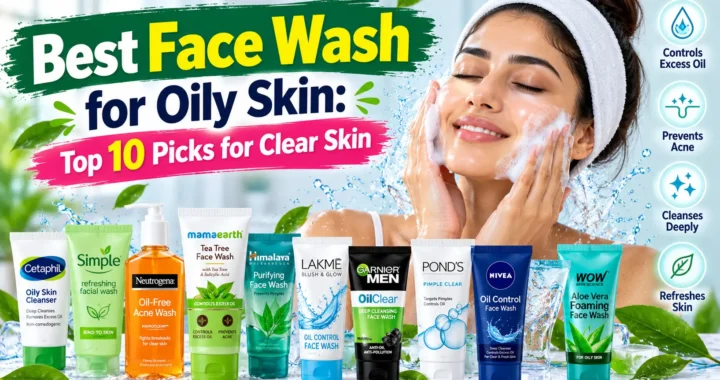
1. A gentle cleanser. The best cleansers remove dirt, sweat, and sunscreen without leaving skin tight or squeaky. Gel cleansers suit oily skin, while cream or milk cleansers work better for dry or sensitive skin. Avoid harsh sulfates if your skin feels irritated after washing.
2. A moisturizer. Moisturizer keeps your skin barrier healthy, which helps skin hold water and resist irritation. Look for humectants like glycerin and hyaluronic acid, which draw in water, plus ceramides, which strengthen the barrier. Even oily skin needs moisture, so choose a lightweight, oil-free lotion or gel.
3. Sunscreen. If you only buy one product, make it this one. Daily sun protection is the most effective way to prevent premature aging, dark spots, and skin damage. Choose a broad-spectrum formula with SPF 30 or higher, and reapply when you’re outdoors for long periods. Mineral sunscreens with zinc oxide often suit sensitive skin, while modern chemical formulas tend to feel lighter and leave less residue.
4. A targeted treatment. This is where you address specific concerns, such as acne, dullness, or fine lines, using the active ingredients below.
Ingredients Worth Looking For
Marketing buzzwords come and go, but some ingredients have solid evidence behind them.
- Niacinamide: Helps calm redness, balance oil, and minimize the look of pores. It’s well tolerated by most skin types.
- Vitamin C: An antioxidant that brightens skin and helps protect it from environmental stress. Best used in the morning under sunscreen.
- Retinoids (retinol, adapalene): Widely considered the gold standard for fine lines, uneven texture, and acne. Start slowly, a couple of nights a week, since they can cause dryness and peeling at first.
- Salicylic acid: An exfoliating ingredient that unclogs pores, making it useful for blackheads and breakouts.
- Hyaluronic acid: A hydrating ingredient that plumps skin and suits nearly everyone.
- Azelaic acid: Helpful for redness, rosacea, and post-acne marks.
Choosing Products for Your Skin Type
- Oily skin: Choose lightweight gels, oil-free moisturizers, and ingredients like salicylic acid and niacinamide.
- Dry skin: Look for creamy cleansers, ceramide-rich moisturizers, and hydrating serums with hyaluronic acid or glycerin.
- Combination skin: Use light, balanced formulas, and treat different areas differently if needed.
- Sensitive skin: Keep it simple. Choose fragrance-free products with few ingredients, and introduce new items one at a time.
- Acne-prone skin: Look for non-comedogenic products, and consider salicylic acid, adapalene, or benzoyl peroxide. Persistent acne is worth discussing with a dermatologist.
Common Mistakes to Avoid
Many people damage their skin by doing too much. Over-exfoliating, mixing several strong actives at once, and scrubbing aggressively can weaken the skin barrier and cause redness, stinging, and breakouts.
Another trap is judging a product too quickly or too slowly. Most products need around four to eight weeks to show results, but if something causes burning or a rash, stop using it.
Finally, be wary of exaggerated claims. No product can erase wrinkles overnight or “detox” your pores. Skin care is about steady, realistic improvement.
How to Build a Simple Routine
- Morning: Cleanse, apply an antioxidant serum if you like, moisturize, and finish with sunscreen.
- Evening: Cleanse (double cleanse if you wear makeup or heavy sunscreen), apply your treatment, such as a retinoid or exfoliating acid, then moisturize.
Always patch test new products on a small area, like your inner forearm or behind the ear, for a couple of days before applying them to your face. Add only one new product at a time so you can spot the cause of any reaction.
The Bottom Line
The best skin care products aren’t necessarily the most expensive or the most popular. They’re the ones with proven ingredients, suited to your skin type, that you can use consistently. Start with a gentle cleanser, a good moisturizer, and daily sunscreen, then add targeted treatments as needed. If you have persistent acne, rashes, or concerns about a changing mole, see a board-certified dermatologist for personalized advice.
Consistency, patience, and sun protection will do more for your skin than any trendy product ever could.